Most people are familiar with the profession of psychologist. However, when it comes to neuropsychology, this field remains a mystery for a large portion of the population.

Training of Neuropsychologists

Neuropsychologists are psychologists who specialize in neuropsychology. Like psychologists, neuropsychologists must complete a bachelor’s degree followed by a doctorate in psychology. However, although the initial part of their training is shared, their paths then diverge into either specialization in psychology—leading to authorization to practice psychotherapy through the Ordre des psychologues du Québec (OPQ)—or neuropsychology, which grants certification for the assessment of neuropsychological disorders through the OPQ. It is also possible, by completing additional training, to obtain both certifications (neuropsychologist and psychotherapist). Neuropsychologists also have access to support and continuing education through the Association québécoise des neuropsychologues (AQNP), founded in 2012.

In the laboratory, Sarah-Ève is currently completing her second year of a doctoral degree in neuropsychology under the co-supervision of the laboratory director, Pascale Tremblay, and Carol Hudon, professor at the School of Psychology at Université Laval and neuropsychologist. It is also possible for someone wishing to pursue a career in research to complete a master’s degree with thesis in psychology (M.A.), with a concentration in neuropsychology. Unlike the doctorate, this master’s degree does not grant the title of neuropsychologist, but it does allow for the conduct of neuropsychological assessments without a clinical or diagnostic purpose. This is the case for Mélissa, the laboratory’s research professional, who divides her time between managing the lab and conducting neuropsychological assessments of participants as part of lab projects and pharmacological research at Alpha Recherche Clinique.

In simple terms, neuropsychology can be described as a branch of psychology that studies the brain’s cognitive processes underlying human thoughts, emotions, and behaviors, as well as how these processes influence daily functioning. These processes include information processing speed; attention (vigilance, selective and sustained attention); memory (working memory, verbal and visual episodic memory, semantic or source memory); language (e.g., comprehension, naming ability); visual perception; gnosis (the ability to recognize and interpret sensory information such as objects, shapes, sounds, or faces through sight, touch, hearing, smell, or taste); visuospatial skills; executive functions (organization/planning, inhibition, mental flexibility, emotional control, etc.); and praxis (simple or symbolic gestures, object use, construction/drawing, and facial movements). Figure 1 illustrates these functions, the main brain regions involved, and concrete examples of how they appear in daily life. It is important to note that there is no single brain region responsible for a specific cognitive function such as memory or attention. Rather, cognitive functions result from networks involving many brain regions, and these networks may vary slightly from one person to another depending on factors such as handedness, age, life experience, and culture. Thus, two individuals with brain lesions in the same location may not experience the same behavioral or functional consequences.

How Neuropsychology Differs from Related Disciplines and the Role of Neuropsychologists

Neuropsychologists’ knowledge spans multiple domains, including psychology, psychometry (see Box A), cognition and its disorders, neuroanatomy, neurological disorders, and neuroscience, among others. Although neuropsychology shares some similarities with psychology, neurology, speech-language pathology, and occupational therapy, there are notable differences between these professions.

Box A. What is Psychometry?
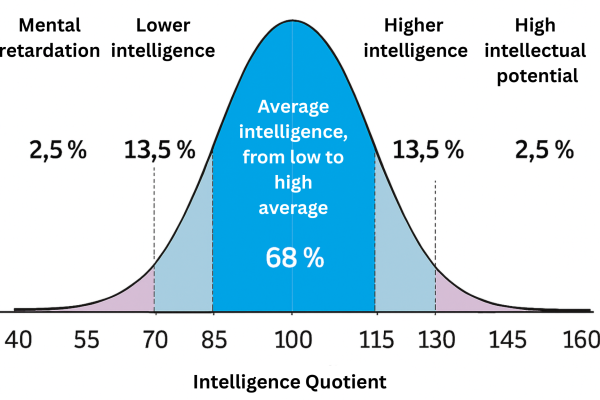
Psychometry involves designing questionnaires, scales, or tests using statistical methods to standardize them and increase their reliability. When neuropsychologists score and analyze cognitive tests, they rely on statistical norms. This means that these tests have been administered to large samples representing the target population (e.g., men and women aged 50–90 with 3 to 23 years of education), and statistical analyses determine the expected average score for individuals based on sex, age, and education. By comparing a client’s score to these norms, neuropsychologists can determine whether performance is below average, average, or above average relative to peers. This is how they detect cognitive difficulties and determine an individual’s IQ, as illustrated in Figure 2.

Figure 1. Neuropsychological map of the brain. Image adapted from the website www.psychologie-santé.tn by Roxane Parent and Shani-Li Madore.
Intelligence
Figure 2. Statistical distribution of the population according to intelligence quotient. Figure adapted from the newspaper Le Parisien, edition of May 26, 2018.

It is important to understand that IQ does not equate to intelligence, as it measures only a small part of it. IQ is a standardized, quantifiable score that evaluates performance at a specific point in time relative to an average of 100. It focuses mainly on logical-mathematical and verbal abilities and is primarily used to estimate academic or professional potential. In contrast, intelligence refers to the broader capacity to learn, solve problems, and adapt to new situations. In 1983, psychologist Howard Gardner proposed the theory of multiple intelligences, emphasizing the diversity of human abilities and suggesting that a person can be highly intelligent in one domain without having a high IQ. According to this theory, there are nine types of intelligence: logical-mathematical; verbal-linguistic; spatial; bodily-kinesthetic; musical-rhythmic; interpersonal; intrapersonal; naturalistic; and existential/spiritual.

Psychologists focus on understanding emotions and beliefs underlying behavior to assess emotional functioning and provide psychotherapy to individuals with or without mental health disorders (e.g., depression, post-traumatic stress disorder, personality disorders). Neuropsychologists, on the other hand, assess the cognitive functioning of individuals with either congenital conditions (e.g., intellectual disability, autism) or acquired conditions (e.g., stroke, traumatic brain injury, neurodegenerative diseases). They work with individuals and their families to determine functional capacity (e.g., academic orientation, reporting potential driving risks to the Société de l’assurance automobile du Québec (SAAQ), ability to consent to care or manage finances, capacity to understand consequences of actions in legal contexts, etc.). Appropriate interventions are then proposed (e.g., psychoeducation, recommendations to family, teachers, and healthcare staff, cognitive remediation), and follow-up is conducted to monitor changes over time or evaluate intervention effects.

Neuropsychologists who are also trained in psychotherapy may provide psychological follow-up after an assessment. However, to maintain objectivity, it is preferable (though not mandatory) that future neuropsychological evaluations be conducted by another professional to avoid ethical issues such as role conflict and reduced objectivity. Indeed, the dual role that the neuropsychologist would play in this situation would raise certain ethical issues such as role conflict (support and therapeutic alliance in psychotherapy versus diagnosis in neuropsychology) and the loss of objectivity (the follow-up in therapy could create an emotional attachment for both parties involved and bias the results as well as their interpretations). If the neuropsychologist chooses to assume both roles, he or she should be able to justify that this will not affect the quality of cognitive assessment.

Neurologists, in contrast, are medical specialists who diagnose, monitor, and treat nervous system diseases. They are trained to analyze brain imaging (e.g., PET scans, MRI), blood, and genetic tests, and can prescribe medication. However, they typically conduct only general cognitive screenings rather than comprehensive assessments.

Neuropsychologists also differ from speech-language pathologists, who perform more in-depth evaluations of language as well as speech, voice, resonance, and swallowing. Similarly, they differ from occupational therapists, who focus on functional evaluation and adapting environments to help individuals maintain independence. Table 1 illustrates, through a fictional clinical case of a person with multiple sclerosis, the role of each professional. Figure 3 provides an example of a multidisciplinary meeting.
Type of clinician

Role

Neurologist

Based on the results of physical, blood, neurological, and imaging tests, makes the diagnosis of multiple sclerosis, initiates treatment, and conducts regular follow-ups to document disease progression and adjust treatment.

Neuropsychologist

Following the diagnosis and depending on symptoms, assesses cognitive functioning to determine whether the person is currently fit to work and/or drive. Since the disease progresses, follow-ups are required to monitor cognitive changes over time.
Speech-language pathologist
Depending on symptoms, may assess speech disorders (e.g., dysarthria) or swallowing disorders (dysphagia).
Occupational therapist
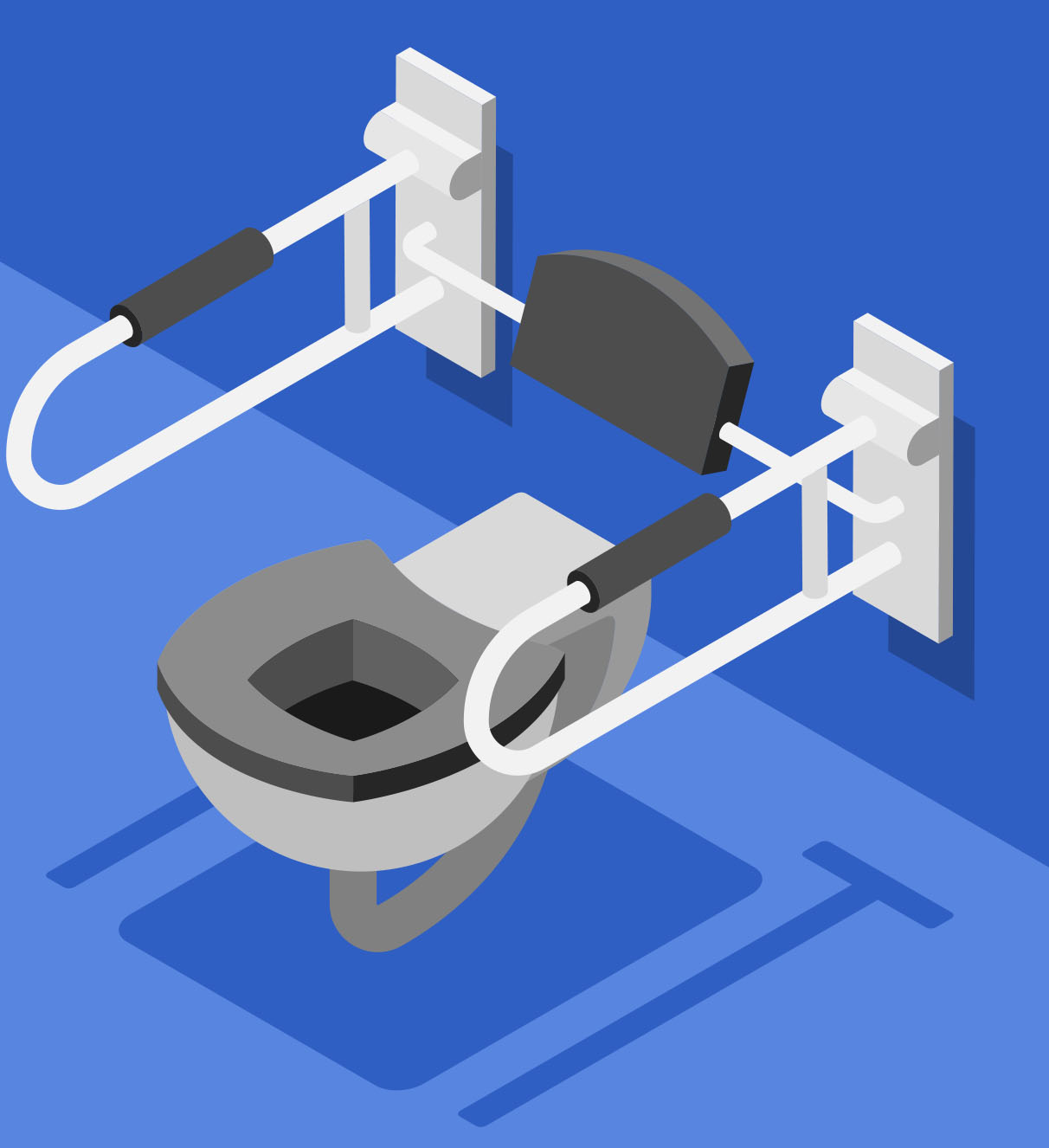
Adapts the person’s environment as the disease progresses (e.g., grab bars in the bathroom, cane, walker). May conduct a functional driving assessment for the SAAQ if the neuropsychological evaluation raises concerns.
Psychologist
Provides support for present and anticipated losses (diagnosis announcement, stopping work, loss of driver’s license, impact on the couple, etc.).
Figure 3. Multidisciplinary meeting to discuss clinical cases. Image created with ChatGPT

How a Neuropsychological Assessment Is Conducted

First, a consultation request is sent to the neuropsychologist by a physician (in the public sector) or is initiated by the individual themselves (in private practice). The number of sessions varies depending on the reason for referral, the person’s age, and their level of fatigability. Generally, the process begins with an anamnesis interview conducted with the individual to gather information about their medical history (physical, psychological, and family), as well as their lifestyle habits (e.g., alcohol, drugs, medication) and psychological state, from the in-utero period to the present time. In some cases (children, older adults with cognitive disorders, etc.), a close relative is also present and may contribute to the anamnesis. During this meeting, the neuropsychologist clarifies the purpose of the assessment (for example, evaluating intellectual quotient, investigating the presence of attention-deficit/hyperactivity disorder (ADHD), assessing fitness to drive, etc.).

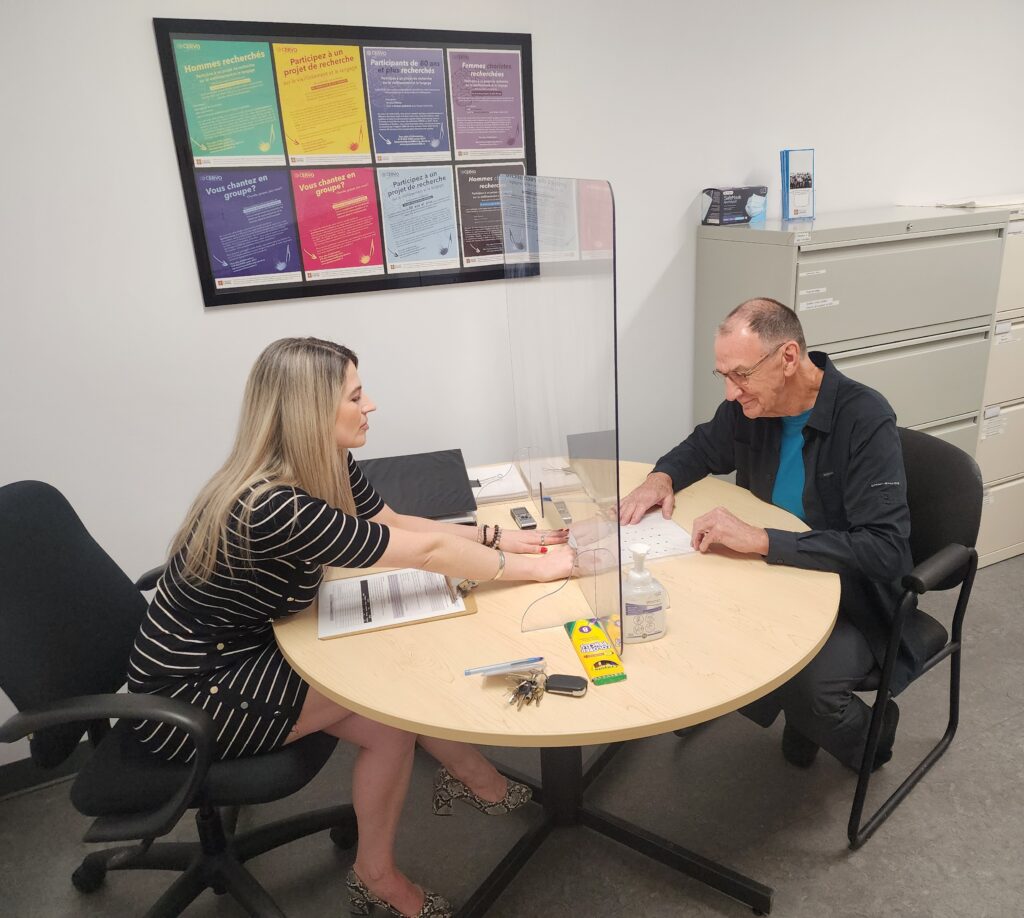
Subsequently, one or more assessment sessions are conducted during which neuropsychological tests are administered to provide a comprehensive evaluation of the individual’s current cognitive functioning (see Figure 4). More specifically, standardized and validated psychometric tests are used to assess attention, memory, language, perceptual and visuospatial abilities, praxis, and executive functions (refer to Figure 1 above for a full description of these functions). Most of the tests used are in paper-and-pencil format, although an increasing number of neuropsychologists use electronic versions, which save time by automatically calculating scores and comparing them to normative data. During the assessment, the neuropsychologist ensures that any potential sources of distraction are minimized (e.g., silencing the cellphone, declining the presence of a close relative, seating the person with their back to the window) to avoid invalidating the results. Breaks are taken as needed, depending on the individual’s level of fatigue. Throughout the assessment, the neuropsychologist pays close attention to the person’s behaviors and verbalizations to detect possible clinical signs that are not necessarily captured by the tests (e.g., verbal and motor tics, avoidant gaze, agitation, level of alertness, word-finding difficulties, etc.).

Figure 4. Realization of a neuropsychological evaluation in the laboratory by Mélissa.

Once the assessment is completed, the results are first analyzed quantitatively using standardized norms. This means that each of the individual’s results is statistically compared to the average expected performance, considering their age, sex, and level of education. For example, this allows determination of whether the person’s functioning in each cognitive domain is within the expected range, below average, or above average. It is crucial to consider these characteristics, as they influence performance. For instance, it has been shown that speed (both motor and information processing) decreases with age. If this variable is not considered and the performance of an 80-year-old individual is compared to that of a 20-year-old, the former may obtain a falsely impaired score, even though they are average in terms of speed compared to other octogenarians. Subsequently, all tests are analyzed a second time qualitatively. More specifically, the neuropsychologist examines how the person approached the tests, the types of errors made, their ability to self-correct, the presence of impulsivity, and so on. This second analysis is crucial, as two individuals may fail the same test for completely different reasons. For example, a person may fail a verbal memory test due to a language disorder without having genuine memory difficulties. This is why each impaired performance must be interpreted within a global context rather than based on a single score.

The neuropsychologist also considers certain factors that may have influenced test performance (e.g., anxiety, depression, menopause, medication, etc.) and pays attention to physical signs typical of certain conditions (e.g., micrographia, rigidity, and a shuffling gait may suggest early Parkinson’s disease). This dual analysis makes it possible to establish a differential diagnosis regarding the origin of the deficits and to formulate recommendations for follow-up. A final meeting is held with the individual to provide feedback on the assessment. During this feedback session, the results are explained according to the person’s level of understanding, and recommendations or strategies are proposed. Finally, the neuropsychologist writes a report of varying detail depending on the situation (e.g., a brief report for follow-up, but a highly detailed one in a medico-legal assessment) and provides it either to the individual (in private practice) or to the referring healthcare professional (in the public sector).

In some cases, and increasingly so, the neuropsychologist does not limit their role to assessment but also provides interventions with the individual and/or their relatives and other professionals involved. This may take several forms, including psychoeducation, teaching, daily adaptation or compensation strategies, cognitive remediation, or psychotherapy (if the neuropsychologist is also trained in psychotherapy). A description of these types of interventions is summarized in Table 2.

Intervention

Definition

Exemple

Psychoeducation

Explaining the diagnosis to the person, including its causes, consequences, and expected progression.
Explaining the different types of multiple sclerosis, its symptoms, and expected progression.

Compensation

Using the person’s strengths or tools to reduce the impact of symptoms and losses.
Using a notebook to compensate for memory difficulties. Learning to use the left hand if the right hand is no longer functional.

Adaptation

Modifying the person’s environment or usual ways of doing things to reduce disability and maintain their previous level of functioning in different areas of life.
Due to fatigue related to the disease, the person may benefit from a reduced work schedule or an adapted environment (e.g., grab bars).
Cognitive remediation
Individually or in small groups, teaching cognitive strategies by relying on preserved cognitive functions to compensate for difficulties related to impairments in other functions.
Using a visuospatial strategy to compensate for memory difficulties. For example, if the person needs to remember to buy milk and mail a letter, they could visualize a giant envelope filled with milk spilling everywhere. This combined image increases the chances of remembering both tasks.

Psychotherapy

For neuropsychologists certified in psychotherapy, individual or group sessions aimed at providing emotional support to the person and their loved ones.
Support group for individuals with multiple sclerosis and their loved ones.


Table 2
Types of interventions used by neuropsychologists

Where Do Neuropsychologists Work?

Neuropsychologists work with individuals of all ages in various settings, including hospitals, rehabilitation centers, private clinics, and research centers. While wait times in public healthcare can exceed a year, private clinics typically offer appointments within 1 to 4 months. However, private assessments are not covered by Quebec’s public health insurance (RAMQ) and may cost around $1,000 or more, though private insurance may reimburse part of the cost.

Conclusion

Neuropsychology can be described as a discipline at the intersection of psychology and neuroscience, aiming to better understand the human brain and how it influences thoughts, emotions, and behavior. Advances in knowledge have improved early diagnosis of conditions such as autism, now viewed as a spectrum with diverse profiles. Combined with population aging and increased life expectancy, this will lead to a growing need for neuropsychology in both clinical and research settings. Neuropsychologists play a crucial role in identifying cognitive disorders and supporting individuals, their families, and care teams. Through collaboration with other healthcare professionals, they contribute to comprehensive and multidimensional care.