Address

2301 Av. D'Estimauville,
Québec, Qc G1E 1T2

Email

laboratoireparole@crulrg.ulaval.ca

Call Us

418-821-1229

“Why must Québécois French be my main language so that I can participate in your research project?”
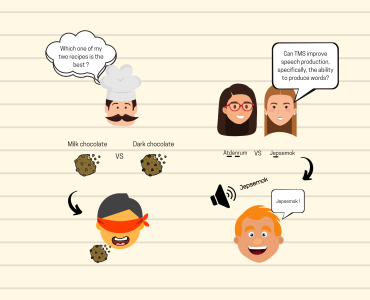
People who participate in our research projects must perform various tests that may seem unusual to them, sometimes even a little odd, such as repeating invented words or deciding whether two syllables are the same or different. Why such tests? And how are they created?
My darling, my sweetheart … so many words to express our love and affection! The ways to communicate our love or our interest towards another person, however, are far from being limited to beautiful words. Indeed, other aspects of communication play an essential role.

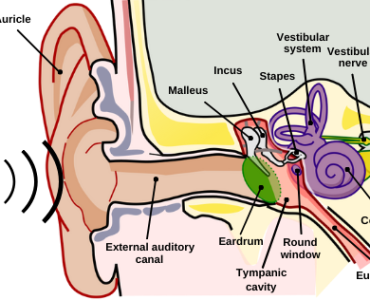
Isn’t it nice to hear birds singing, the voice of a loved one or our favourite song on the radio? All this is possible thanks to our hearing system!
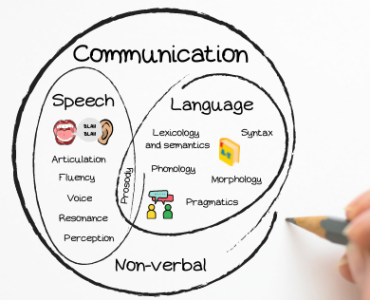
Dans le langage courant, les termes parole, langage et communication sont souvent utilisés de façon interchangeable. Toutefois, ces mots sont-ils des synonymes ? Eh bien non !
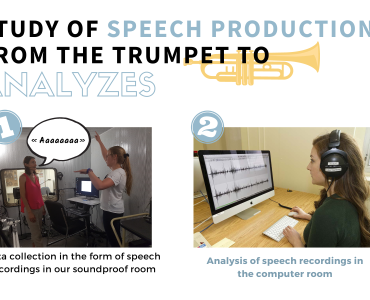
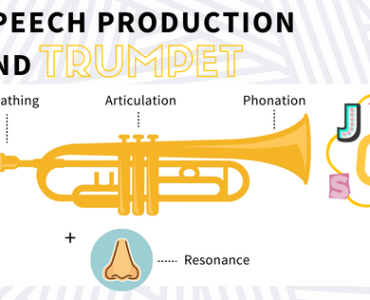
An important facet of the work that we do in the lab is to study spoken language, in particular voice and articulation—the sensorimotor components of language—as well as their aging. We have already introduced the components of speech through a trumpet analogy; today we describe the analyzes we perform to study voice and speech!
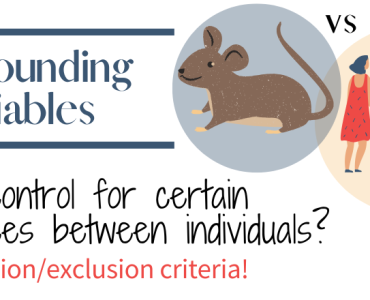
A major challenge facing research teams working with human participants is to find participants who meet specific criteria in order to reduce as many confounding variables as possible.
An important aspect of our work is the study of voice, speech and resonance, that is, the sensorimotor components of language production, as well as their aging.
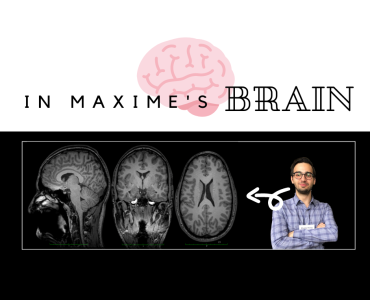
Today, Maxime, a master's student in biomedical sciences in our lab, offers you a little trip through his brain! Who here has ever seen his brain? By far the most fascinating and mysterious organ, it is not every day that we can observe it!