Address

2301 Av. D'Estimauville,
Québec, Qc G1E 1T2

Email

laboratoireparole@crulrg.ulaval.ca

Call Us

418-821-1229

Speech
and Hearing
Neuroscience Laboratory
Speech
and Hearing
Neuroscience
Laboratory
Speech
and Hearing
Neuroscience Laboratory
Speech
and Hearing
Neuroscience Laboratory
Speech
and Hearing
Neuroscience Laboratory

Speech and Hearing Neuroscience Laboratory

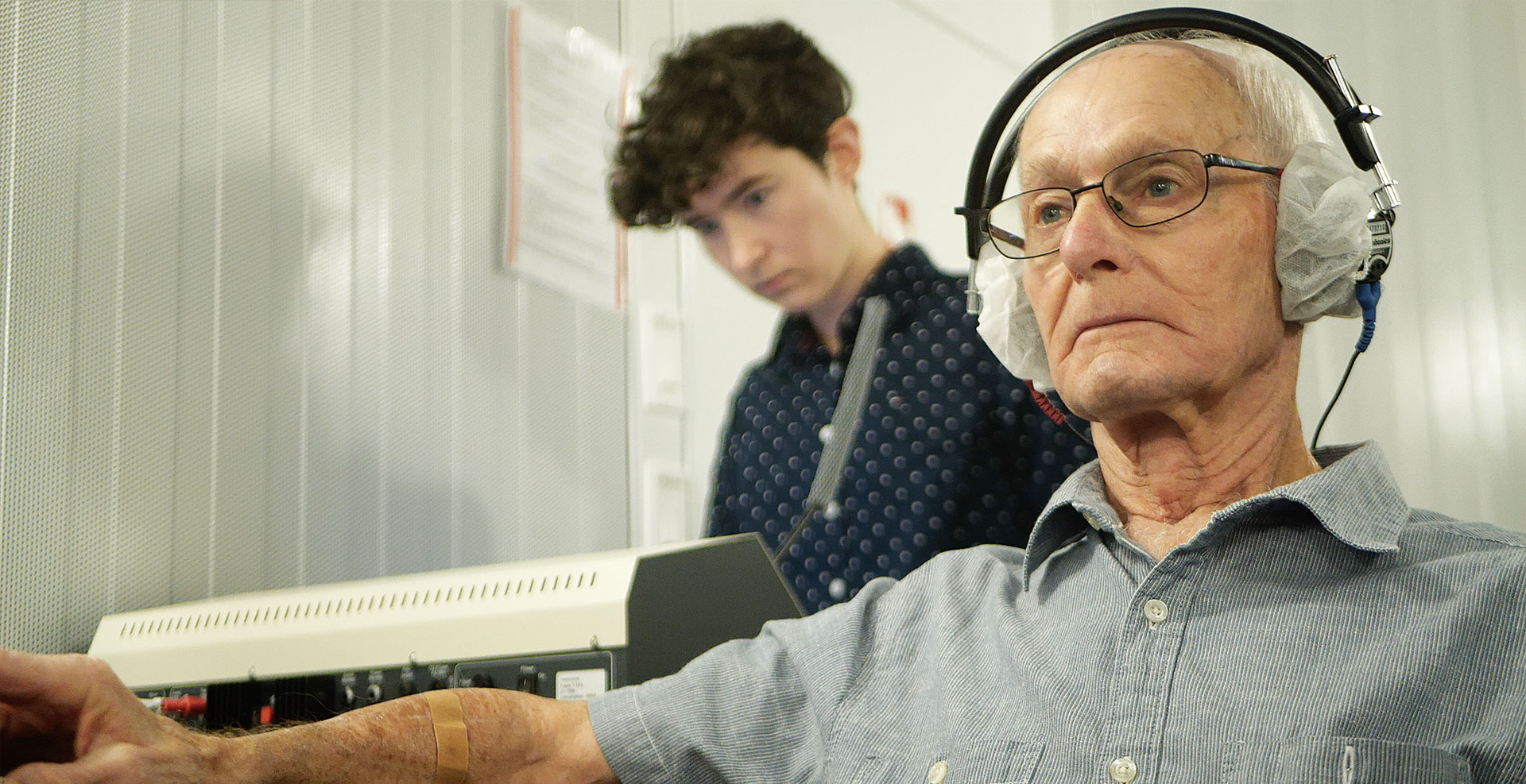
At the Speech and Hearing Neurosciences Laboratory, led by Pascale Tremblay, Ph.D., we study the cognitive neuroscience of human communication using an interdisciplinary approach

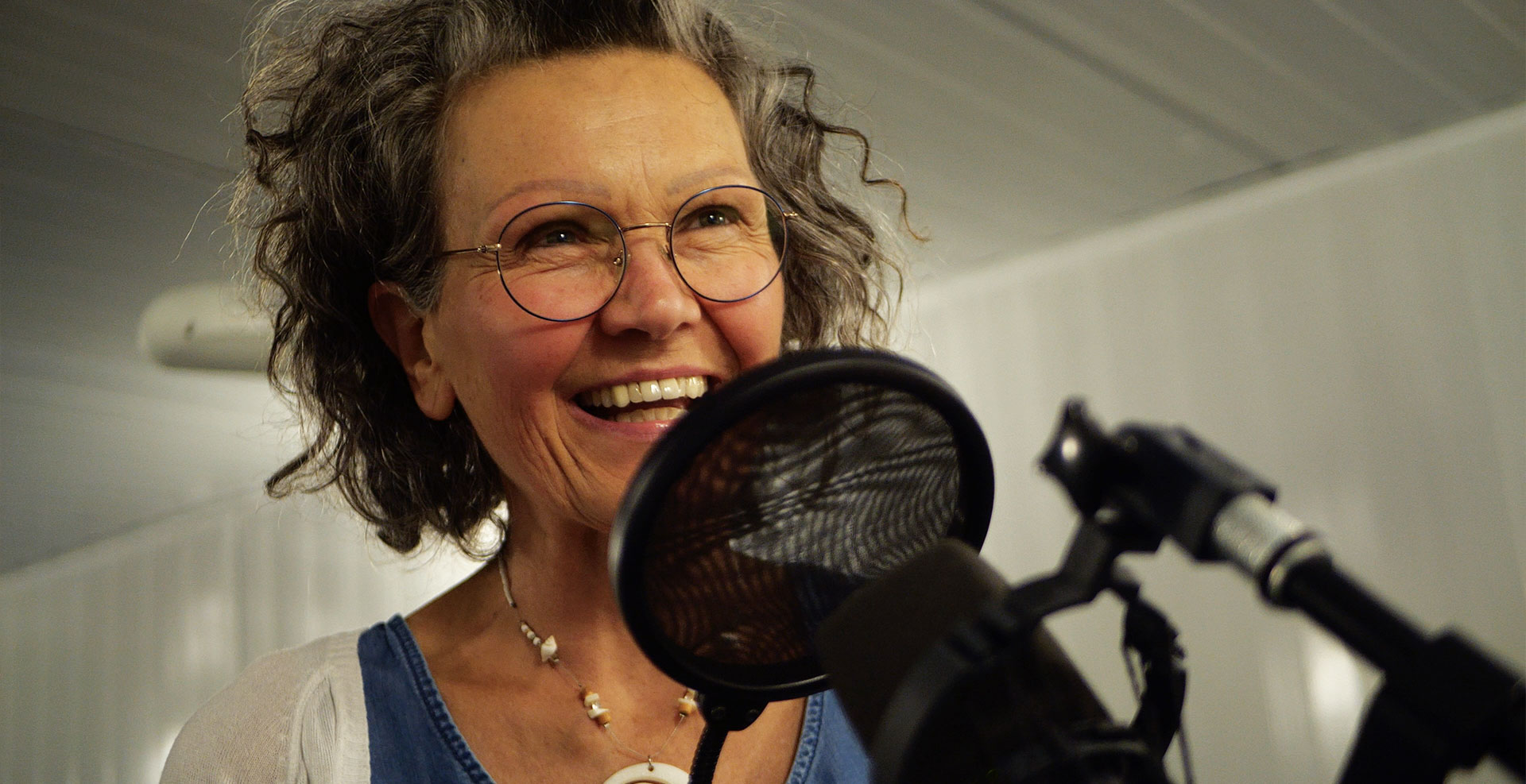
Our objective is to understand the biological and neurobiological mechanisms that support the ability to communicate verbally, that is, to perceive and produce speech and voice, which are important building blocks of social interactions, and to use these skills to communicate efficiently is social contexts. The laboratory also aims to identify the factors that affect communication in aging, including cognitive aging, presbycusis and brain aging, and their impact on social interactions and communication-mediated activities. Finally, we aim to understand the factors that can positively affect communication in both normal and pathological aging, such as singing and voice training. Discovering the beneficial impacts of singing on speech, voice and cognition, and understanding the neuroplastic mechanisms that underlie these protective effects is key to developing and promoting ways to alleviate the negative impacts of aging on communication, social interactions and social participation.
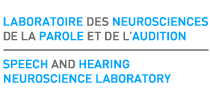
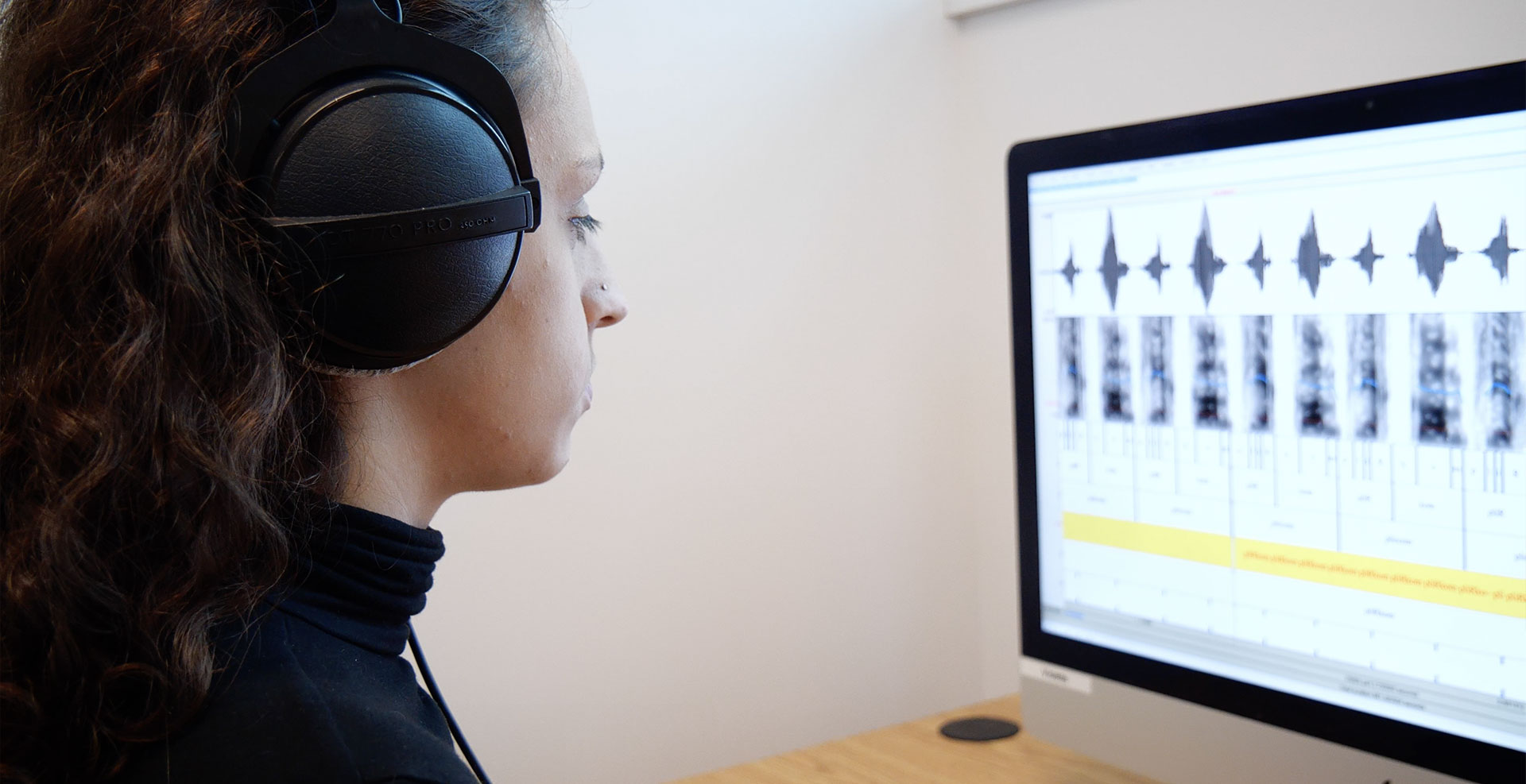
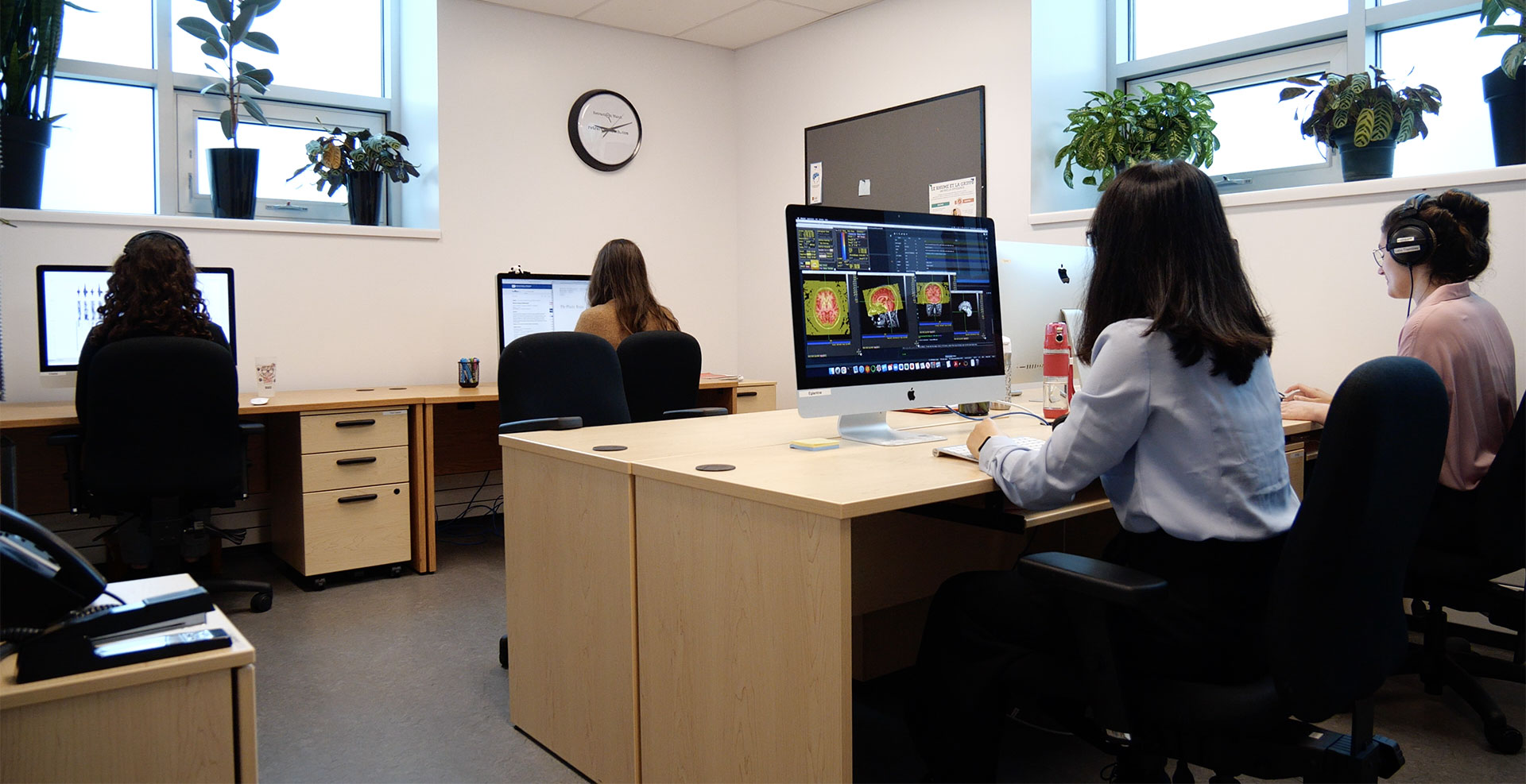
To achieve our goals, we study the anatomy and functioning of the brain using state-of-the-art cognitive neuroscience research methods such as functional, diffusion and anatomical magnetic resonance imaging as well as transcranial magnetic stimulation (TMS) and electroencephalography (EEG). We also use modern behavioural and physiological approaches, such as facial electromyography (recordings of muscle activity), measures of facial muscle force and endurance, respiration patterns, speech errors and acoustics, to study articulation and voice mechanisms and to understand how these mechanisms evolve over the lifespan.

Interested in joining us for a research internship, a master or a doctoral degree, or a postdoctoral fellowship?

Contact Dre Pascale Tremblay to discuss possibilities.

Blog

What's new

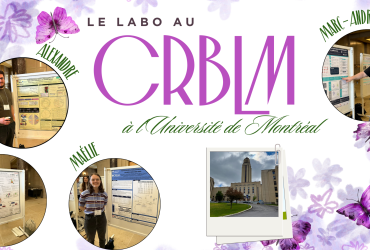
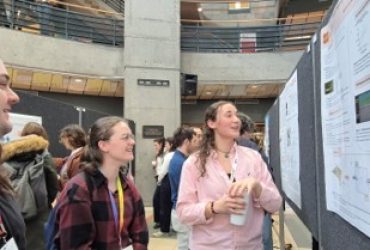
The lab participates in the CRBLM annual research day in Montreal! Alexandre, Amélie, Maélie, and Marc-André presented their project findings through scientific posters.
After a year and a half of data collection, we are half way through the project !
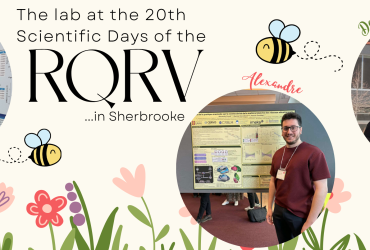
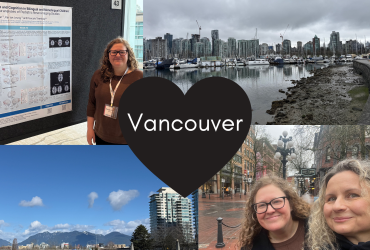
This week, our team was in Sherbrooke for the 20th Scientific Days of the Quebec Network for Research on Aging.
In this post, we discuss the training, role and workplaces of neuropsychologists.
A major international conference bringing together over 1,000 people interested in the links between the brain and the human mind.
NeuroQuébec held its 18th Neuroscience Research Day, a community-building event that showcased the excellence and vitality of the neuroscience and mental health research community in Quebec City.

Featured articles

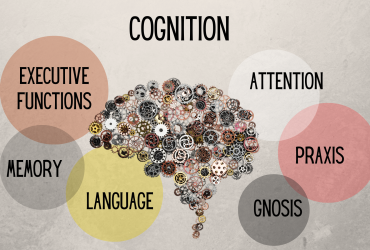
In our research projects, we often use tests that assess cognitive functions, also called "cognition".
The results of a scientific study indicate this, those of another study rather suggest that, a third study supports the opposite... scientific literature can sometimes seem contradictory. What’s more, not all studies are of the same quality! How do you navigate all of this?!
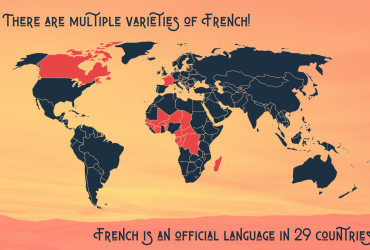
“Why must Québécois French be my main language so that I can participate in your research project?”
students trained
0
scientific articles
0
Blog posts
0
open-access datasets
0