Address

2301 Av. D'Estimauville,
Québec, Qc G1E 1T2

Email

laboratoireparole@crulrg.ulaval.ca

Call Us

418-821-1229

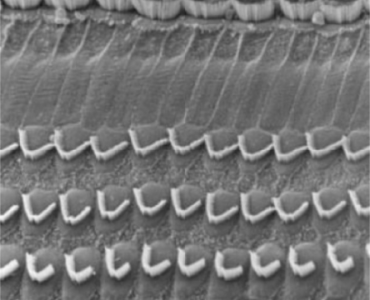
Presbycusis is a progressive hearing loss that naturally occurs with aging. In this article, we examine presbycusis from a pathophysiological perspective in order to better understand the causes of this highly prevalent form of hearing loss.
We are pleased to present a fourth infographic based on the fourth study published using data from our project PICCOLO!
We are pleased to present a third infographic based on the third study published using data from our project PICCOLO!
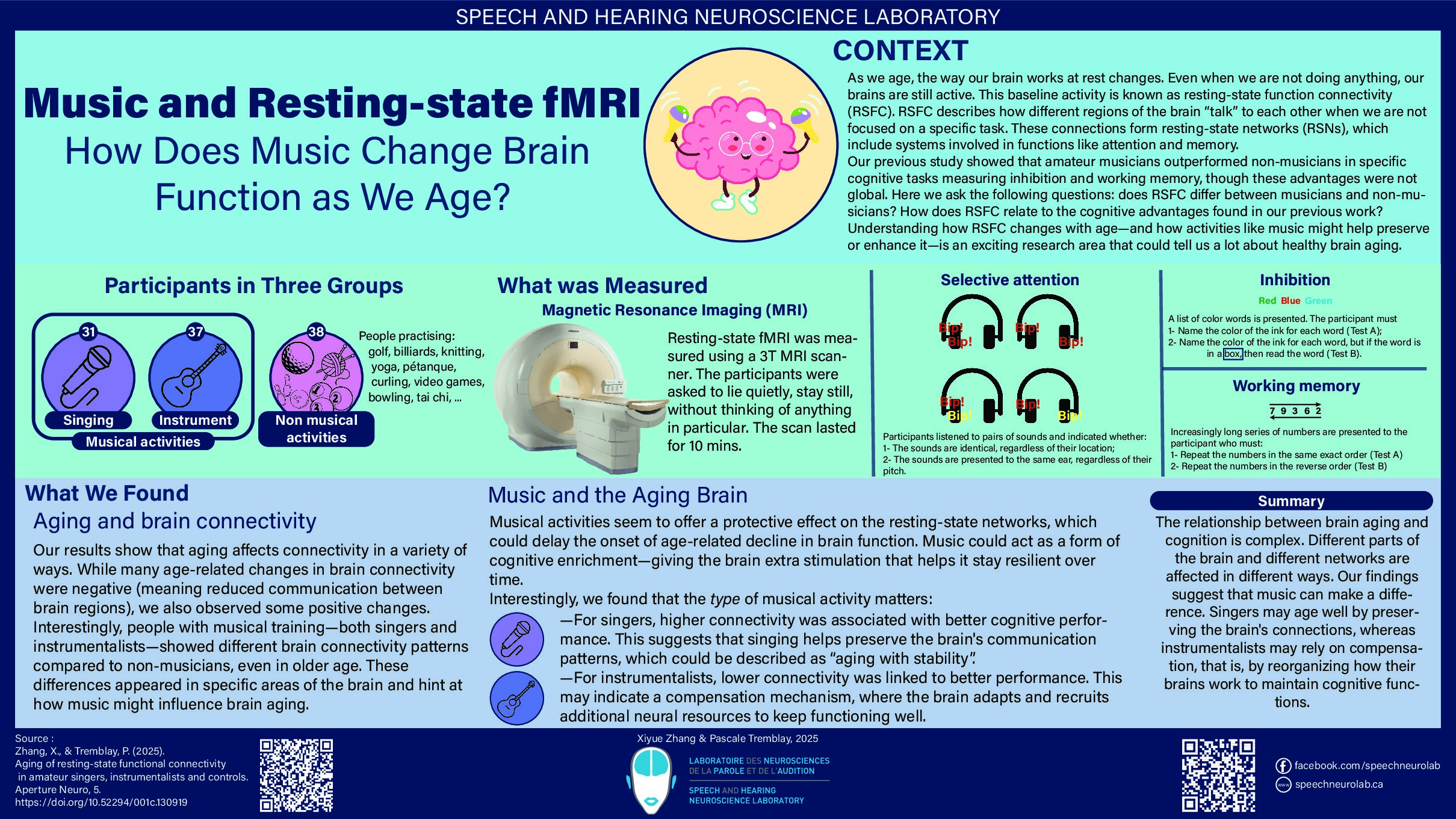
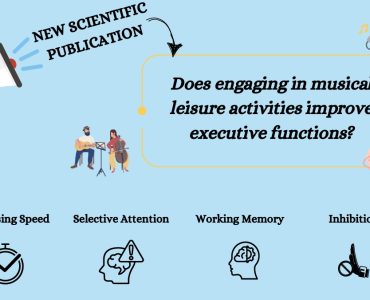
We are pleased to present our recently published study on the benefits of musical activity on cognition. The results presented in this article are part of our project PICCOLO.
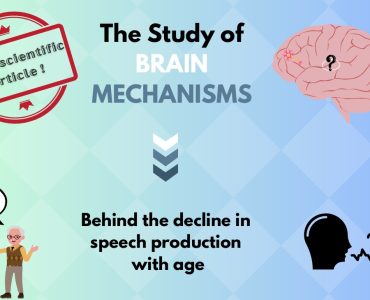
We are excited to share the findings of a recently published scientific article by our team, which delves into the mechanisms behind speech production difficulties in aging.
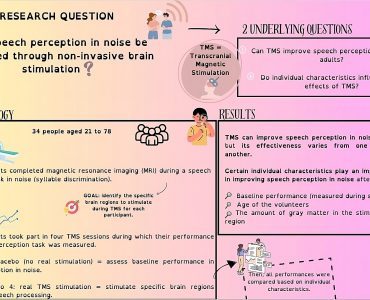
In our study published in the Journal of Cognitive Neuroscience, we explore how TMS could help both young and older adults better understand speech in noisy environments. Learn also how age, brain structure, and other characteristics influence the effects of this promising technique!
In this article, we will explore presbycusis, its impact on hearing and on the lives of those who suffer from it, as well as approaches to prevention and treatment.
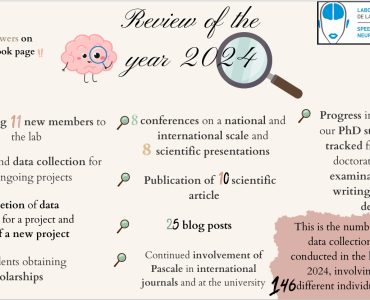
🎉 A busy year comes to an end: what a journey! 🎓📊 Each year is an intense adventure, filled with ideas, projects, deadlines, and opportunities. It’s easy to focus on what’s left to do and forget all that has been accomplished. So today, let’s take a moment to celebrate our key achievements of the year.

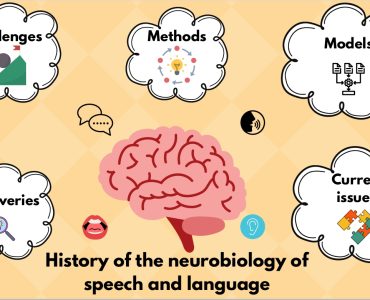
We are excited to share our latest publication exploring the history of the neurobiology of speech and language. From early groundbreaking discoveries to the dual-stream model of speech perception, this review traces the key milestones of this field, highlighting both past and present challenges in understanding the intricate relationship between the brain and language.
Discover how singers and instrumentalists differ from non-musicians in terms of attention, inhibition, working memory, and processing speed through this infographic.